Martial Arts

When Aikido Came to America…

Sensei Antonio Aloia grew up in a martial arts family and has spent the better part of his life practicing Aikido. He has spent a significant portion of his academic studies on researching the history of Aikido since it reached America from Japan, he is the author of the book, Aikido Comes to America. This interview was recently conducted by Tambuli Media president, Mark V. Wiley, as a deeper dive into some of the material contained with the Aloia’s ground-breaking book. 

When Aikido Came to America… Read More »
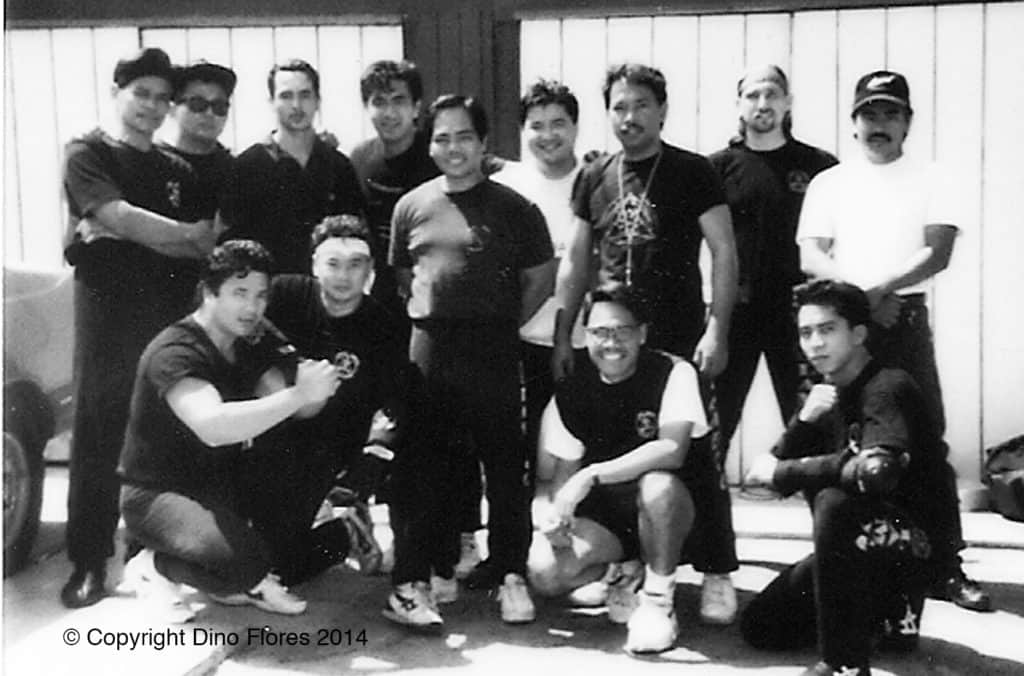
Lameco Eskrima's “Sulite Orehenal Group”

Lameco Eskrima’s “Sulite Orehenal Group”

We as a group fought against each other countless times as well as against others who would be brought in from outside of the group to fight with us on our special “fight-day Sundays” or “Sunday gatherings,” as we would call them. When we would fight in the “backyard,” it was no holds barred; you could close range with much aggression hitting with the “punyo” or “butt of the weapon,” punch, kick, head-butt, elbow, knee, or take your opponent to the ground.

Lameco Eskrima’s “Sulite Orehenal Group” Read More »

lead image

Does Traditional Kung-Fu Have a Future?

[et_pb_section fb_built=”1″ _builder_version=”4.6.6″ _module_preset=”default” custom_padding=”||3px|||”][et_pb_row _builder_version=”4.6.6″ _module_preset=”default” custom_padding=”8px|||||”][et_pb_column type=”4_4″ _builder_version=”4.6.6″ _module_preset=”default”][et_pb_text _builder_version=”4.6.6″ _module_preset=”default”] Interview by Mark V. Wiley Hendrik Santo is a researcher of Wing Chun Kuen, Qigong, and Buddhism. He has studied Wing Chun since 1973, is a student of the 4th generation 1850s Wing Chun successor late Master Choe Hung Choy, and also

Does Traditional Kung-Fu Have a Future? Read More »

Timing in Traditional Martial Arts

If we liken a fight to a dance, the attacker is leading the dance, and the defender is
following…acting in the after, responding to the leader, merely reacting. The leader
acts according to their whim, unimpeded, the follower has the difficult task of keeping
up. The leader of the dance is acting in the before. The leader is deciding where on
the floor the dance moves will take both dancers. The follower is merely along for the
ride, with no control, and no say, as they are acting in the after.

Timing in Traditional Martial Arts Read More »

Scroll to Top