Sri Aurobindo is often described as a philosopher, yogi, poet, or mystic—but none of these titles fully capture the scope of his vision. His life and work challenge one of humanity’s most deeply held assumptions: that spiritual realization requires withdrawal from the world. For Sri Aurobindo, the opposite was true. He believed the next stage of human evolution would not occur by escaping life—but by transforming it.
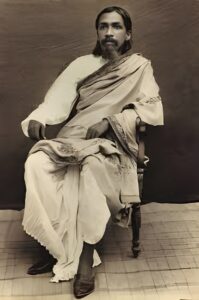 Born in 1872, educated in England, and deeply immersed in Western philosophy and classical literature, Aurobindo initially emerged as a revolutionary leader in India’s struggle for independence. Imprisoned by the British in 1908, he underwent a profound inner awakening—one that would redirect the course of his life and, eventually, reshape modern spiritual thought. What followed was not a retreat into quietism, but decades of intense inner work, writing, and experimentation with consciousness itself.
At the heart of Sri Aurobindo’s vision is a radical idea: human consciousness is not finished evolving. Just as life emerged from matter, and mind from life, he proposed that a higher form of consciousness—what he called the supramental—is seeking to manifest through humanity. Spiritual realization, in this view, is not the end point. It is a beginning.
Unlike paths focused solely on liberation from suffering or release from the cycle of birth and death, Sri Aurobindo’s Integral Yoga aims at the divinization of life itself. This includes the body, emotions, mind, relationships, society—everything we normally assume spirituality must transcend. Rather than renouncing the world, Integral Yoga invites a deeper engagement with it, grounded in inner surrender, aspiration, and transformation.
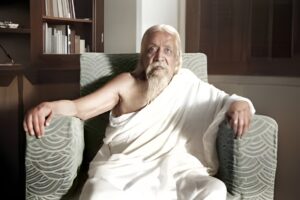 This vision is demanding. It offers no shortcuts, no simple techniques, no promises of instant enlightenment. Instead, it calls for sincerity, patience, and a willingness to face the full complexity of human nature—its shadows as well as its potential. Sri Aurobindo did not shy away from contradiction or paradox. He understood spiritual life as a living process, not a belief system.
Working closely with his collaborator, known simply as The Mother, Sri Aurobindo articulated a path that integrates silence and action, transcendence and embodiment, timeless truth and evolutionary change. His writings—spanning philosophy, yoga, poetry, and cultural commentary—form one of the most comprehensive spiritual syntheses of the modern era.
Yet for many seekers today, Sri Aurobindo remains misunderstood or intimidating—seen as “too vast,” “too intellectual,” or “too radical.” What often gets lost is the human urgency behind his work: a response to suffering, fragmentation, and the sense that humanity stands at a crossroads.
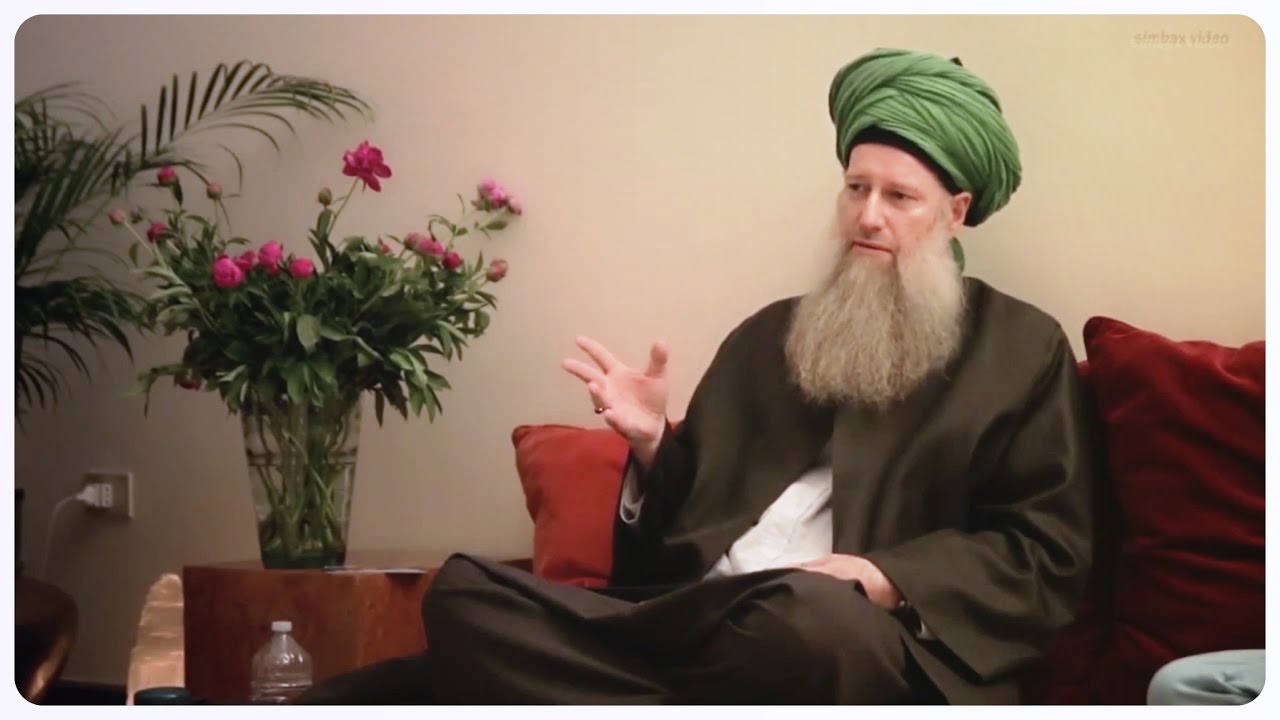
In the podcast episode linked below, Mark Wiley and Aurobindo scholar Santosh Krinsky explore Sri Aurobindo not as an abstract thinker, but as a living challenge to how we understand spirituality, evolution, and the future of human consciousness. If you’ve ever wondered whether spiritual awakening can truly change life—not just your inner experience, but the world itself—this conversation opens that door.
👉 Listen to the podcast discussion on Sri Aurobindo here.